 Skip to content

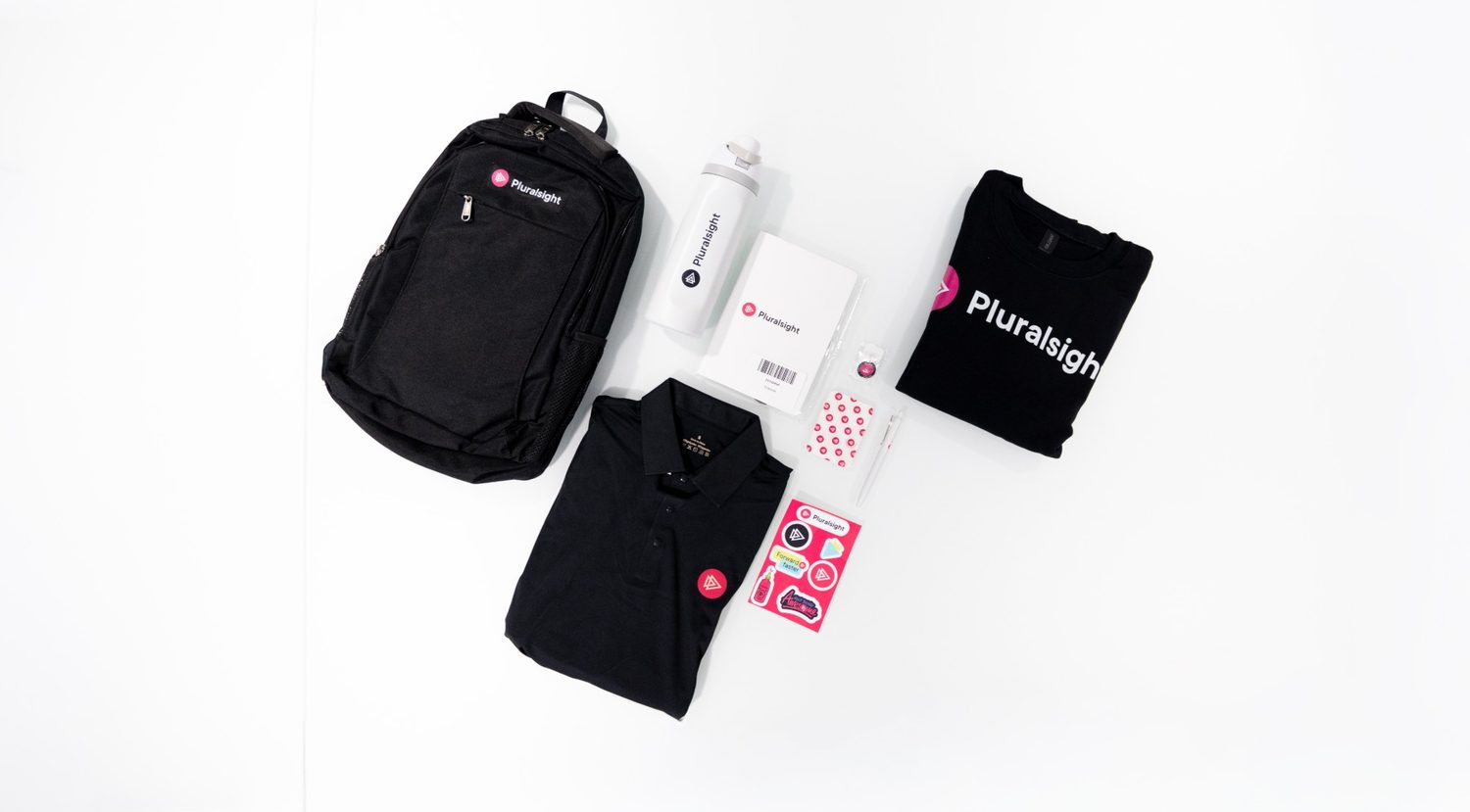
A welcome kit is usually the first thing a new hire holds with your company’s name on it. It might be waiting on a desk at 8:00 am on day one, or it might land on a porch three states away the Friday before. Either way, it sets the tone for the first week before anyone logs in.
We’ve been producing branded merchandise for companies since 2006, and onboarding kits are a regular part of that work. Our earlier post covers why a welcome kit belongs in onboarding. This one covers what to put in it, what to add when the budget has room, and how to keep the program running when you’re hiring every month.
What makes a welcome kit item worth keeping?
Three things: it gets used every week, it’s made well, and the logo holds up through washing and wear. In ASI’s 2026/2027 Global Advertising Impressions Study (opens in a new tab), 78% of people said usefulness is why they keep a promotional product, and 55% said quality affects whether they’d want one at all. (We break down the rest of the study in Top-Selling Promotional Products in 2026.)
The logo point comes down to matching the decoration method to each material, which our screen printing and embroidery guide walks through.
A welcome kit adds one more consideration: the new hire is also reading it as a signal about the company they just joined. Put most of the budget into the pieces that get daily use and keep the extras small.
What goes in a new employee welcome kit?
Pick four to six of the items below, based on your budget and the roles you’re hiring for. Each one gets used during a normal workweek, from the first meeting on day one to the commute home.
- Backpack. This is the largest piece in the kit and the one new hires carry to and from work every day: laptop, charger, lunch, and the notebook from this same kit. Check for a padded laptop sleeve and a side pocket that fits the water bottle before you approve a style.
- Water bottle. It moves from the desk to meetings to the gym bag and back, refilled several times a day. An insulated stainless bottle keeps water cold through an afternoon of meetings and sits in view of everyone who stops by.
- Collared shirt. A polo or quarter-button gives new hires something to wear to client meetings, all-hands, team photos, and their first company event. To step up from standard blanks, we also source and decorate premium retail-brand apparel.
- T-shirt. The tee is often the first piece of the kit a new hire wears, sometimes on day one. After that it becomes the shirt for volunteer days, company outings, and casual Fridays.
- Notebook. The first two weeks of a new job are mostly note-taking: names, systems, acronyms, who to ask about what. A hardcover journal holds up to being carried to all of those meetings.
- Pen. Pair the notebook with a pen that writes smoothly and has some weight to it. New hires will reach for it in nearly every meeting of their first month.
The kit in the photo at the top of this post is one we built for Pluralsight, and it includes all six: backpack, water bottle, polo, tee, notebook, and pen. A pin and a sticker sheet are the small extras. Each kit ships in a black mailer box with Pluralsight’s logo on the lid, sent directly to the new hire before their first day. There’s more of it on our onboarding kits page.
What can you add if the budget has room?
Past the core items, five upgrades are worth a look, plus one that costs almost nothing. The figures below come from the same ASI study.
- A quarter-zip or fleece jacket. Outerwear generates more impressions than any other category in the study, about 9,000 over a jacket’s life. For new hires, a good jacket also reads as a real gift, and it’s a natural one to wear to the next company event.
- A power bank. This one fits commuters, field teams, and anyone who travels for work. 85% of people keep a branded power bank for at least a year.
- A hat. 60% of people wear a promo hat at least once a week. A structured cap suits teams that spend time outdoors or on job sites.
- A blanket. Blankets end up on couches and in home offices, which makes them a natural fit for remote hires. Half of the people who receive a branded blanket keep it for five years or more.
- A credit to choose their own swag. A gift card or credit that new hires spend on company merchandise lets them pick the items, colors, and sizes they’ll wear most. It also takes the guesswork out of sizing for people you haven’t met yet. A private company webstore can hold the credit, which the section on ongoing hiring below covers.
- A handwritten note. A few lines from the new hire’s manager, signed by hand, is the only item in the box written for that one person. It adds no product cost, only a little lead time to collect the notes before the kits ship.
How do you match the kit to the role?
Start from one core kit, then swap or add a piece or two by role. The pairings below are a good starting point.
| Role | Core kit | Worth adding |
|---|---|---|
| Office and hybrid | Backpack, bottle, notebook, pen, tee | Quarter-zip, swag credit |
| Fully remote | Backpack, bottle, notebook, pen, tee | Blanket, swag credit, handwritten note |
| Customer-facing and sales | Collared shirt, backpack, notebook, pen | Power bank, quarter-zip, swag credit |
| Field, warehouse, and operations | Tee, hat, bottle, jacket | Power bank, swag credit |
For remote hires, check the packed weight and box size before you finalize the list. A kit that fits a standard mailer ships for less than one that needs an oversized carton. The box is also the first thing a remote hire sees, and our post on why packaging matters covers what goes into it.
How do you handle sizes and ongoing hiring?
A company webstore lets you stock the kit once and send it out one new hire at a time, in the right sizes, to the right address. It works well for programs that hire every month across several locations.
When someone accepts an offer, they (or HR) place an order with their shirt size and shipping address. FlexONE™, our own 3PL, picks, packs, and ships it from Lindon. Webstore orders for stocked items ship within two business days, or shipping is on us.
Our complete guide to company webstores covers how a store is set up and how it runs day to day, and webstore pricing lays out what it costs.
How far ahead should you order welcome kits?
Start from your next start date and work backward through proofing, production, and shipping. Production runs anywhere from 1 to 25 days depending on the item, the decoration method, and the quantity. Starting early leaves room to approve a physical sample of the backpack or collared shirt before the full run.
If the kits will live in a webstore, that production window applies to the first run and to restocks. Individual kits ship from stock.
The bottom line
A strong welcome kit is a short list of things a new hire will use every week, decorated well enough to last. Start with four to six core items, add a jacket or power bank where the budget allows, and include a note from the manager.
A useful test for every item: will a new hire still be using this a month from now? When you’re ready to build yours, send us your next start date and how many people you’re hiring, and we’ll come back with a kit, a quote, and a timeline. To see a finished kit first, browse our onboarding kits.
Swag Better.
Research provided by the Advertising Specialty Institute, ©2026, All Rights Reserved. Figures are from the 2026/2027 Global Advertising Impressions Study (asicentral.com/research (opens in a new tab)).